Why Some Homes Feel Quiet Even Without Special Soundproofing
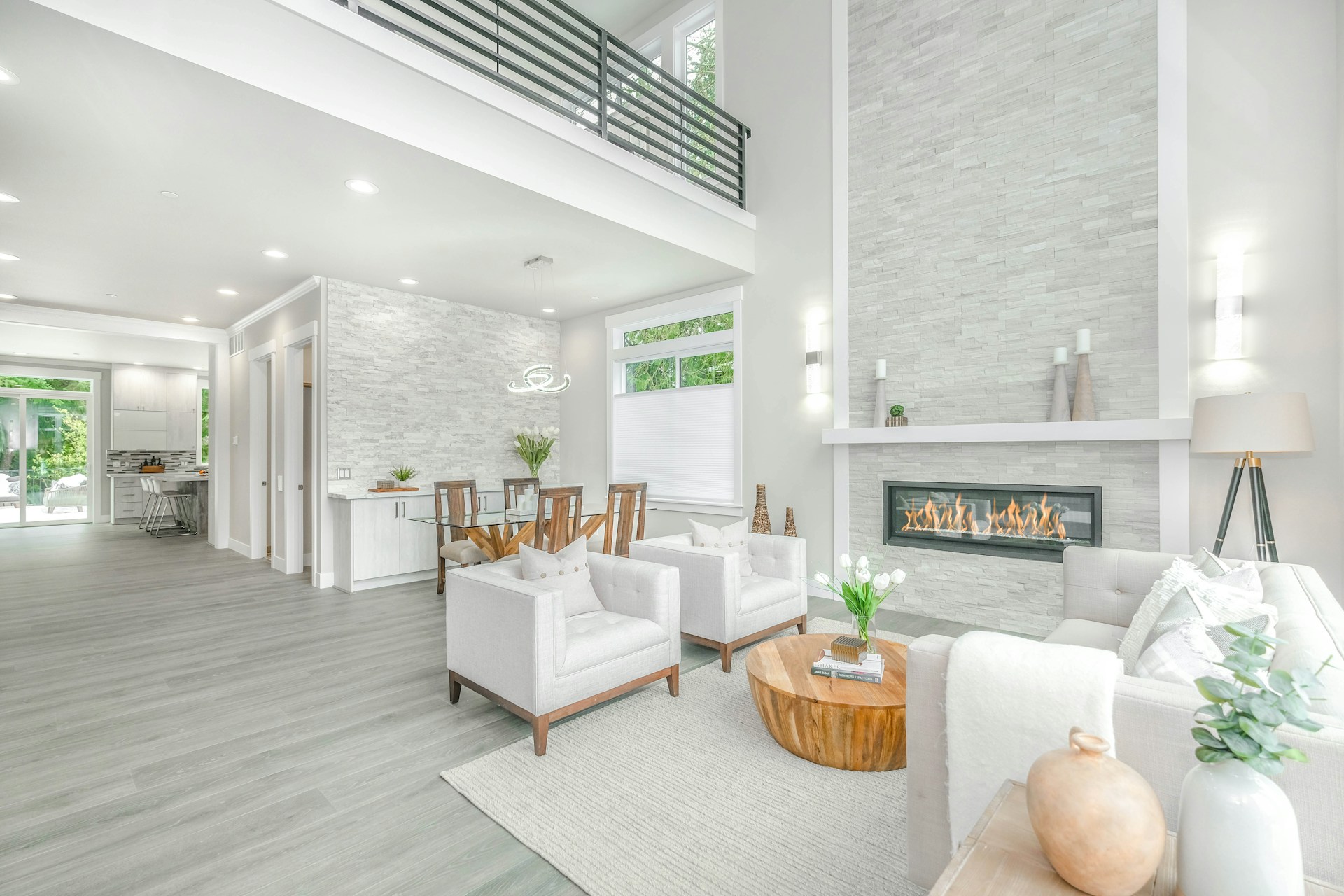
A home can feel remarkably peaceful without thick acoustic panels or specialized soundproofing, and the reason often lies in its layout. Room placement, wall construction, furniture, floor coverings, and the distance between noisy and quiet areas can all influence how sound travels through a house. Talu discusses about adapting residential spaces thoughtfully, where comfort depends on more than appearance alone. Bedrooms positioned away from busy communal zones, enclosed stairways, and carefully connected rooms can naturally reduce the spread of everyday noise. Understanding these design relationships reveals why some homes maintain a calm atmosphere through ordinary architectural choices, showing how thoughtful planning can shape the acoustic character of a living space.
How Room Placement Controls Household Noise
The arrangement of rooms can strongly influence how sound travels through a home. Bedrooms positioned away from kitchens, living rooms, entertainment areas, and busy entrances are naturally less exposed to everyday activity. Rooms that generate noise can also act as buffers when placed between louder communal areas and quieter private spaces. This creates layers within the floor plan that reduce direct sound transmission. A home can therefore feel quieter simply because its spaces have been organized according to the different noise levels associated with their functions.
Why Walls and Doors Still Matter
Ordinary walls and doors can provide meaningful acoustic separation even when they were not specifically designed as soundproofing systems. Solid surfaces interrupt the direct movement of sound, while doors create physical boundaries between rooms. The effectiveness of these elements depends on their construction, gaps, thickness, and relationship to surrounding spaces. A well compartmentalized floor plan can therefore control noise through basic architectural separation. Homes with fewer direct connections between noisy and quiet areas may feel calmer without requiring specialized acoustic materials.
How Furniture and Soft Materials Absorb Sound
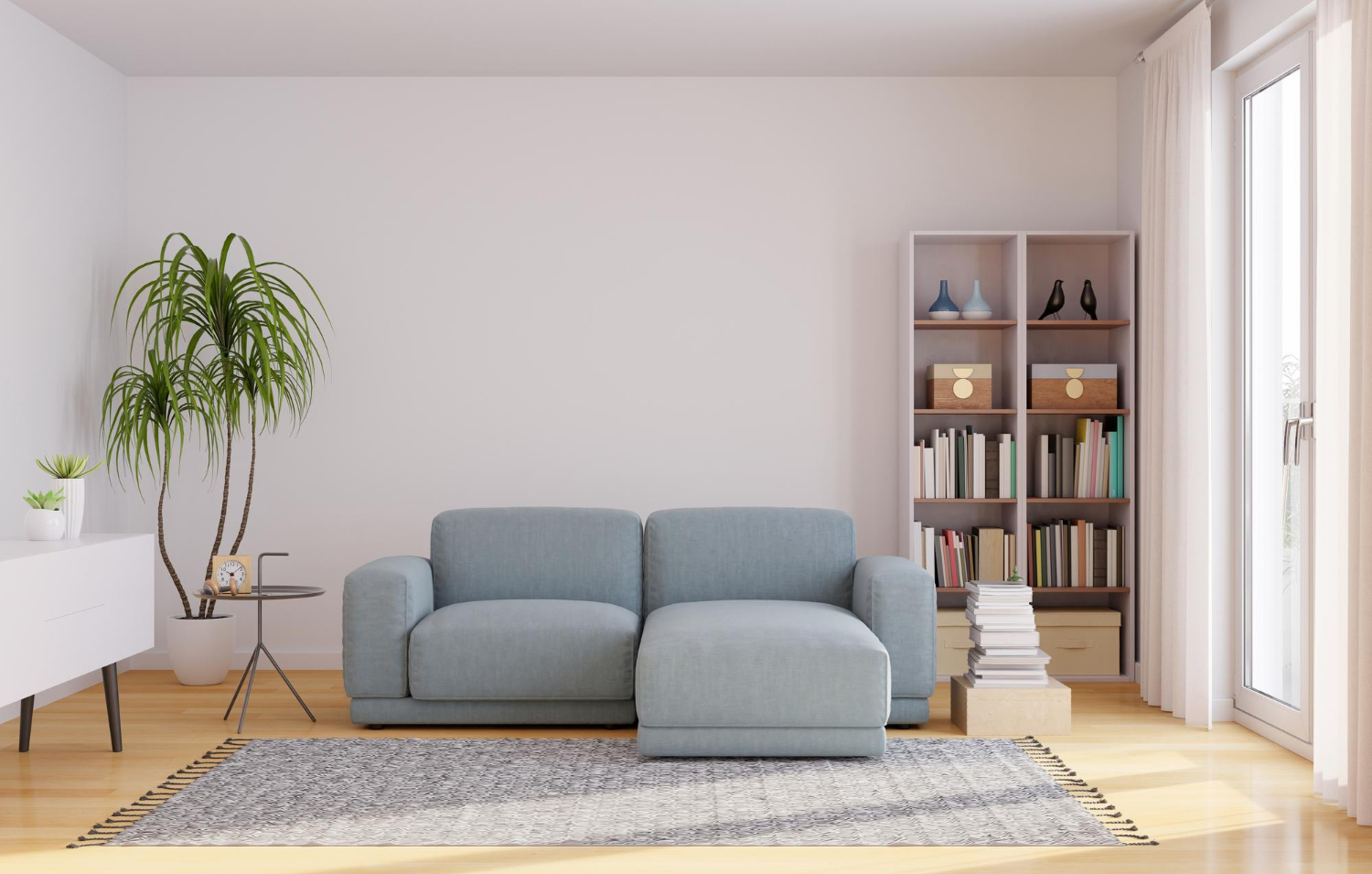
Furniture and interior finishes can also influence how sound behaves within a home. Sofas, curtains, rugs, upholstered furniture, bookshelves, and other soft or irregular surfaces can absorb or scatter some sound energy, reducing the amount that reflects around a room. Hard, empty surfaces tend to allow sound to bounce more freely, which can make ordinary household activity seem louder. The presence and arrangement of everyday furnishings can therefore change the acoustic character of a room without any dedicated soundproofing installation.
The Role of Ceilings and Floors
Sound can travel vertically as well as horizontally, making the relationship between floors important in multi-level homes. Solid floor structures can limit some airborne noise, while the construction of ceilings and flooring affects how footsteps, furniture movement, and other impact sounds are transmitted. Room placement can further reduce disruption when bedrooms are not positioned directly above or below particularly active areas. These structural relationships contribute to the overall acoustic experience even when the building uses conventional construction methods.
Some homes feel quiet without special soundproofing because their layouts, materials, furnishings, and structural relationships naturally limit the movement and reflection of sound. Separating noisy rooms from private areas, using ordinary physical barriers, and incorporating sound-absorbing furnishings can all contribute to a calmer interior environment. The experience of quiet is therefore influenced by the entire design of a home rather than by specialized acoustic products alone. Understanding these relationships shows how thoughtful planning can shape the sensory character of a residential space in subtle but meaningful ways.