Cheap But Chic: Home Projects That Look Like a Designer Did Them

0 Comments
livingroom

A polished home doesn’t always demand a huge budget or a contractor who charges by the eyebrow lift. You can create high-end vibes with simple moves that look far more expensive than they are. Many people start with small tasks inspired by simple DIY home upgrades and realize their place transforms faster than expected.

Accent Wall Alternatives

wall accent

Paint isn’t the only way to craft a striking feature. Peel-and-stick panels, textured decals, or temporary wallpaper can shift a room’s mood in an instant. They’re easy to apply and just as easy to remove, which helps if you like switching things around. You can also play with shape and contrast. Try arranging large decals in geometric patterns or creating a minimalist stripe that guides the eye. These tricks pull attention without much effort. Even a single strip of removable wallpaper gives a room extra personality at a small cost.

Statement Shelving

Shelves can be more than storage. Floating ones, for example, give a sleek look that blends style and practicality. Add a mix of books, plants, or simple decor to build visual interest. Keep things balanced so the shelf feels intentional rather than stuffed. You can also repurpose old wood or thrifted boards. Mount them on simple brackets, and you get a high-end shape with very little investment. This project helps fill awkward empty walls and turns them into focal points. Plus, rearranging items on the shelf becomes a no-pressure way to refresh the space whenever you feel like it.

Classy Hardware Swaps

door features

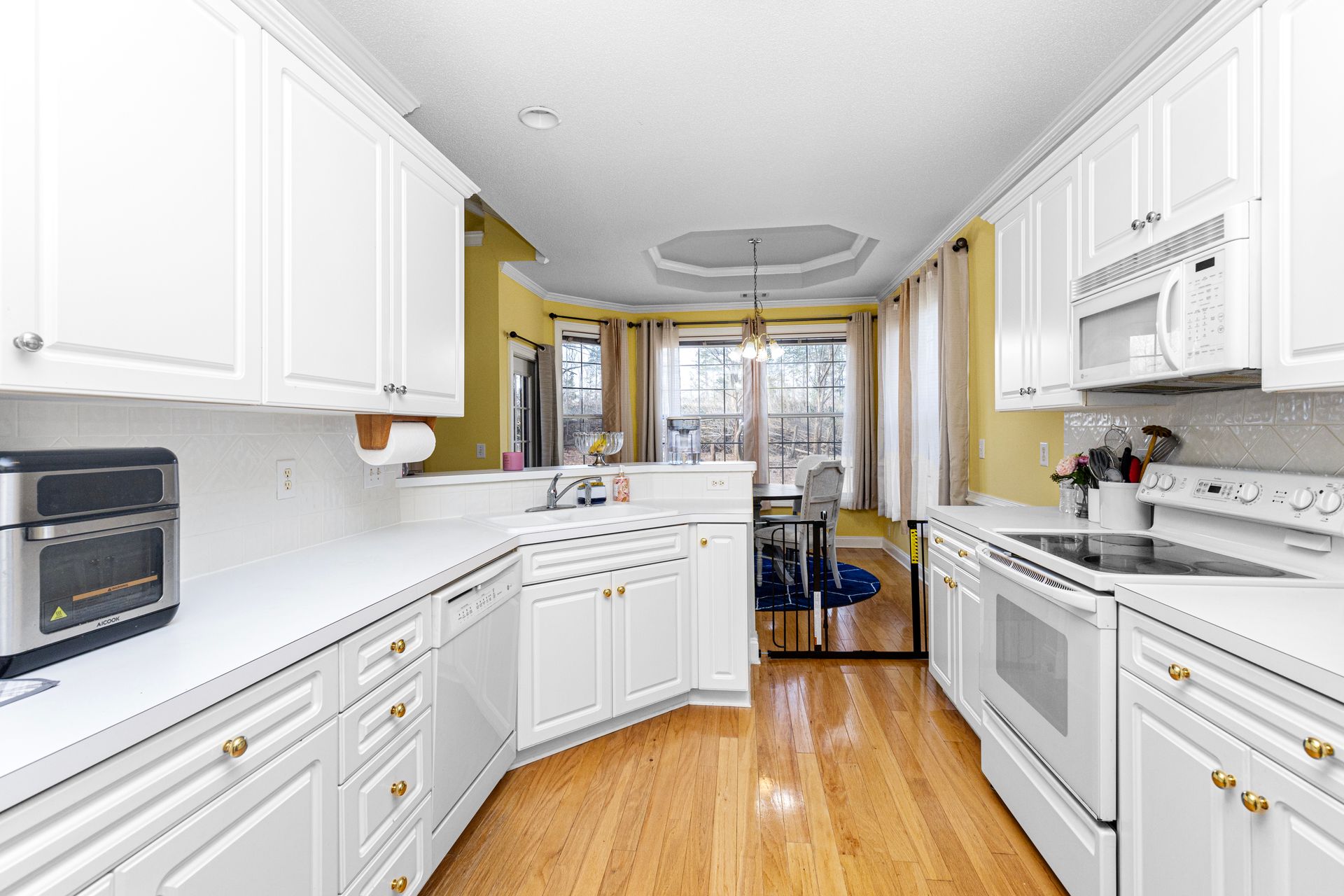
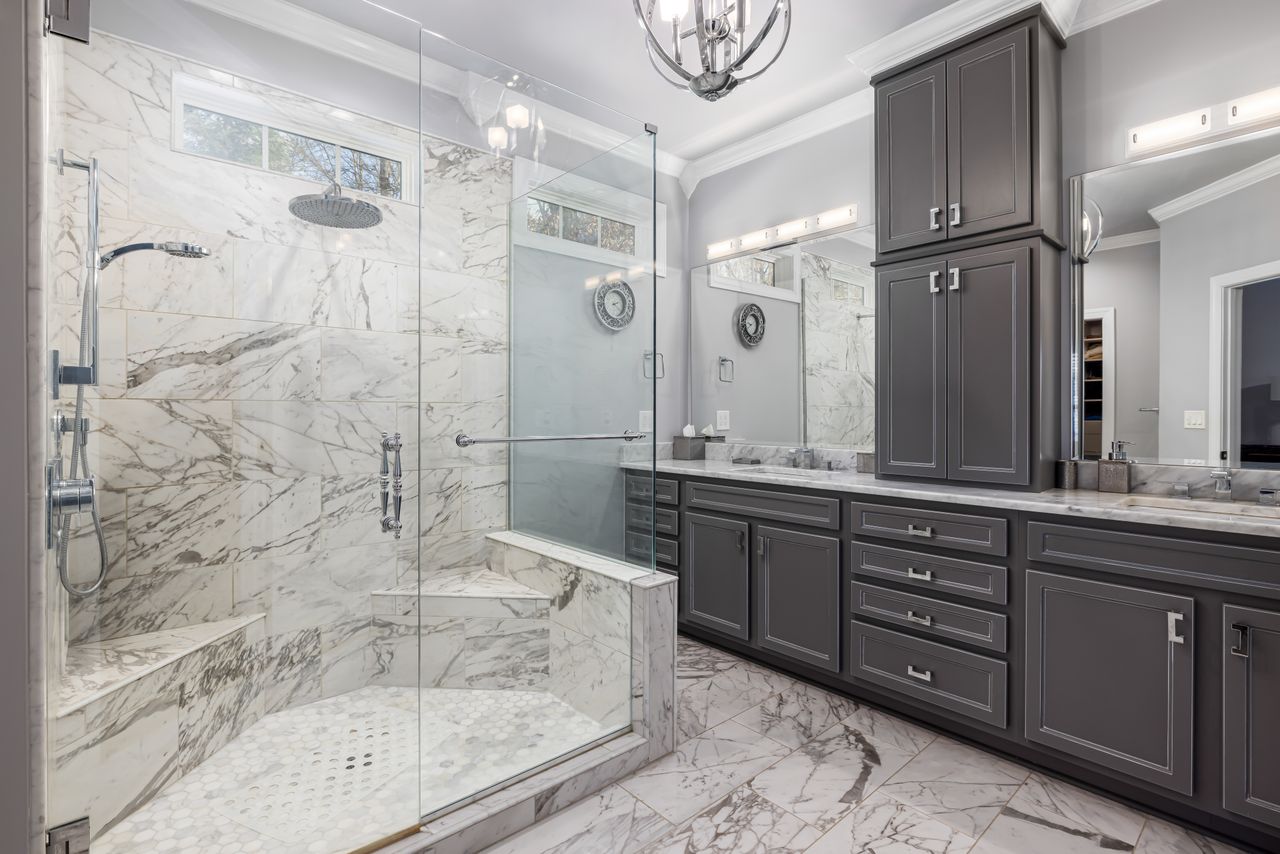
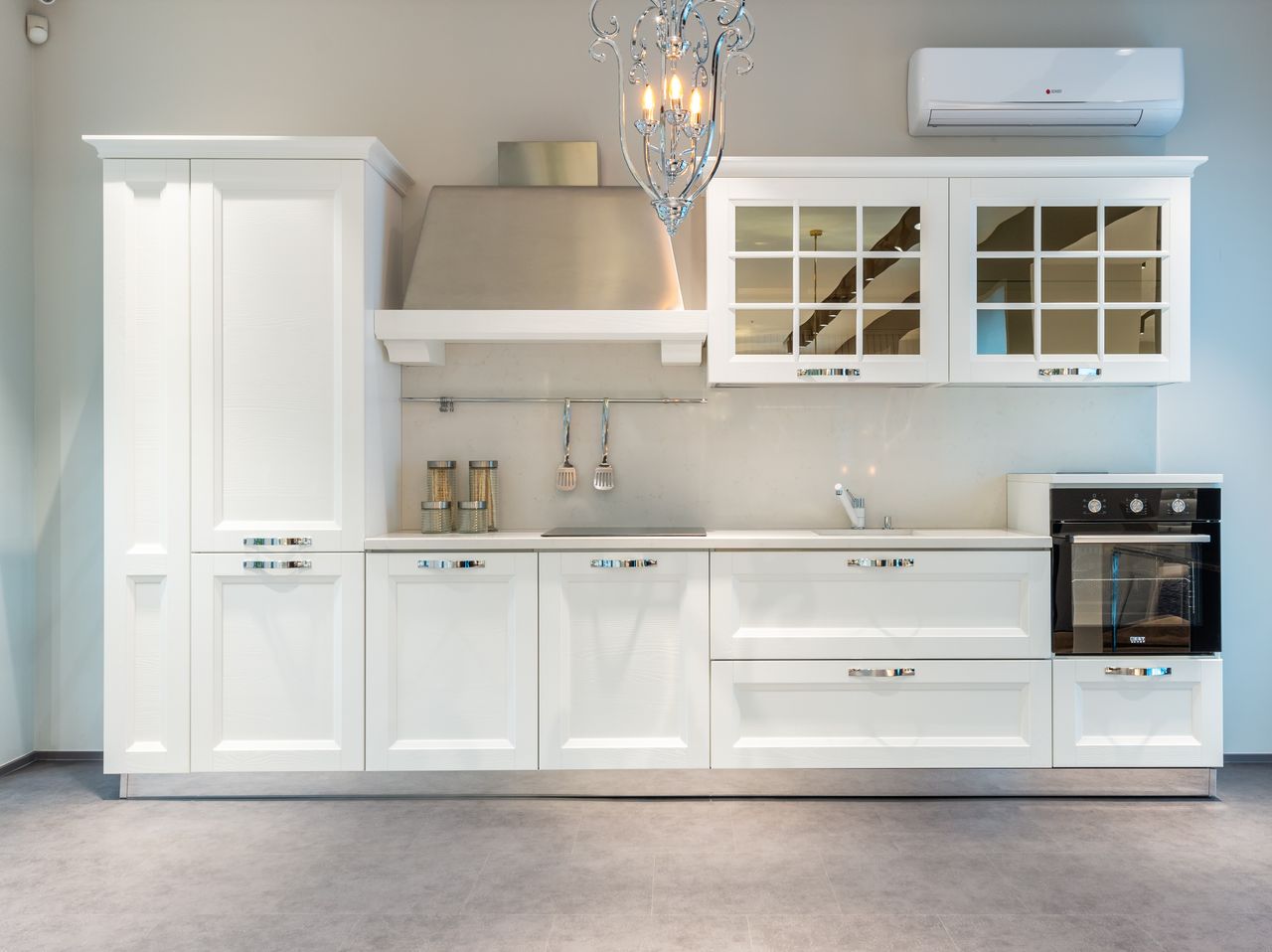
Knobs and pulls often go unnoticed, yet they shape how a room feels. Swapping old hardware for sleek, modern pieces changes the vibe quickly. Choose finishes that complement your existing style without demanding a full remodel. It’s a fast upgrade with instant payoff. This works across the home. Kitchens feel more intentional. Bathrooms gain a small spark of elegance. Even basic dressers look far more refined with new handles. It’s one of the fastest tricks for lifting a space without touching anything else.

Creative Lighting Tweaks

Lighting can whisper elegance into a room. Replace outdated fixtures with something stylish but affordable. Aim for softer light or layered brightness to make the room feel warmer and more inviting. Small lamps or LED strips can add glow without complication. Mixing different lighting sources helps build dimension. A covered lampshade offers gentle shadows. A slim floor lamp lifts dark corners. Even a cluster of candles can shift the mood on a quiet evening. These touches work wonders without demanding designer budgets.

Refreshed Entry Moments

entry point

Your entry sets the tone for the rest of the home. Even small updates change how the space feels. Add a mirror to bounce light and make things feel airier. A slim bench or bold mat can anchor the area and make it feel more intentional. You can also bring in a plant or a few hooks to keep chaos under control. These small pieces add structure without feeling stiff. The entry stays neat, bright, and welcoming. It’s a low-cost project that often has a surprisingly strong effect.

With the right ideas, your home can take on a designer feel at a fraction of the price. These simple projects bring charm, warmth, and character into any room. Try one, try all, and enjoy the fresh lift they bring without strain on your wallet.…


The Rise of Smart Structures: How AI in Architecture Is Redefining Real Estate

0 Comments

In the not-so-distant past, architecture was mainly about form and function—designing buildings to stand tall, look good, and serve a purpose. But today, with artificial intelligence entering the scene, the game is changing. AI is not just a tool for architects; it’s becoming a collaborative partner in designing structures that think, respond, and even predict. As a result, real estate development is undergoing a quiet revolution—one where data meets design and intelligence is built right into the walls.

AI-Powered Design That Leads the Way

Modern architects are embracing AI to do more than just automate tedious tasks. AI tools are now helping to generate building layouts, simulate natural lighting, and even assess environmental impact before a single brick is laid. A great example of how this technology is being explored can be found at diebrandenburger.de/ratgeber/wie-kuenstliche-intelligenz-die-architektur-revolutioniert-chancen-herausforderu-3003635, which dives into how AI is revolutionizing architecture—from reducing planning errors to unlocking new creative possibilities. The future of design will be increasingly data-informed and efficiency-driven.

Smarter Buildings, Better Living

It’s no longer enough for a building to be visually appealing—it now needs to be intelligent. Smart structures use integrated sensors, IoT devices, and learning algorithms to monitor everything from energy usage to air quality. These buildings adapt in real time, making living and working inside them more comfortable and cost-effective. For property owners and tenants alike, smart architecture means fewer headaches and more seamless experiences.

Predictive Maintenance to Save Millions

AI doesn’t just help during the design and construction phases; it continues to deliver value long after the ribbon is cut. Predictive maintenance uses AI to analyze data from sensors embedded in building systems—HVAC, elevators, lighting—to anticipate issues before they become expensive problems. This kind of foresight minimizes downtime, extends equipment life, and significantly lowers operational costs, especially for large commercial properties.

Sustainable Design Made Easier

Sustainability has gone from buzzword to baseline, and AI is making it easier to achieve. From optimizing building orientation to maximize natural light, to selecting low-impact materials based on data, AI-driven design helps architects and developers create spaces that meet today’s green standards. In the long run, these smart choices not only benefit the environment but also appeal to increasingly eco-conscious buyers and renters.

Real-Time Adaptation in Living Spaces

Imagine a home that adjusts lighting based on your mood, fine-tunes the temperature for each room, and even suggests design changes as your needs evolve. Smart structures powered by AI can do all of that and more. Adaptive architecture is about creating spaces that evolve with the people who use them—think movable walls, responsive heating systems, and multi-use zones that shift function throughout the day.

Reshaped Investment and Planning in Real Estate

AI isn’t just for architects and engineers—it’s transforming how investors and developers make decisions too. By analyzing real-time market data, population trends, and zoning regulations, AI tools can identify the best locations for development and predict how property values will change over time. This kind of strategic forecasting helps real estate professionals make smarter, faster decisions with greater confidence.

AI is no longer a concept of the future—it’s an active force shaping the buildings we live and work in today. From design to development, and from operation to resale, artificial intelligence is redefining what’s possible in real estate. As smart structures continue to rise around us, they promise not just greater convenience and efficiency, but a whole new way of thinking about space itself. In the era of AI-driven architecture, intelligence isn’t just built in—it’s built to evolve.…


Common Mistakes First-Time Homebuyers Should Avoid

0 Comments
people

Excitement can push first-time buyers to move too quickly. The urge to buy the first appealing home is strong, but rushing often leads to regret. Taking time to study the market, compare neighborhoods, and understand true costs is essential. A slower, deliberate process helps ensure better decisions. While some people like to buy, others are into building their own house. This is because some homeowners prefer ecologically build their houses to future-proof them. If you are interested to learn more about it, visit https://www.immobilien.de/Oekologisch-bauen-Zukunftssichere-Immobilien-mit-Mehrwert-2888576.html. Below are the common mistake first-time homebuyers should avoid.

Ignoring the Budget

money One of the most common mistakes is stretching beyond financial limits. A beautiful house means little if monthly payments become overwhelming. Lenders may approve more than you can comfortably afford. It is important to set a realistic budget and stick to it. The goal is to live well in your new home, not to be weighed down by constant financial pressure.


Skipping Mortgage Pre-Approval

Looking at homes without mortgage pre-approval can waste valuable time. Sellers take pre-approved buyers more seriously, and it gives you clarity on what you can spend. Without this step, you risk falling in love with a property you cannot afford. Pre-approval provides structure to your search and reduces disappointment later.

Overlooking Additional Costs

The price of a home is only part of the expense. Taxes, insurance, maintenance, and closing fees all add up. First-time buyers sometimes forget these ongoing obligations. A home that looks affordable on paper can become a burden when extra costs appear. Creating room in your budget for these expenses is the best way to avoid surprises.

Neglecting Home Inspections

A home may look perfect during a showing, but hidden issues can exist. Skipping an inspection is risky. Structural problems, faulty wiring, or plumbing concerns may go unnoticed. A thorough inspection protects your investment and gives you leverage in negotiations. Spending a little now can prevent spending far more later. Treat this step with utmost seriousness.

Choosing the Wrong Location

house

A house is only as valuable as its surroundings. Some buyers focus solely on the property and overlook the neighborhood. Schools, safety, transport, and amenities all shape long-term value. Even a dream home loses appeal if it sits in a declining area. Location often matters more than square footage or design. A unique property in the wrong place rarely delivers lasting satisfaction.

Forgetting About Resale Value

It is easy to think only about current needs. However, life changes and selling may come sooner than expected. Homes with strong resale potential are safer investments. Pay attention to layout, condition, and market trends. A house that fits your lifestyle today should also appeal to others tomorrow. Keeping resale in mind adds protection to your purchase.

Some buyers believe they can manage the process without help. Real estate involves contracts, negotiations, and market knowledge. A skilled agent or advisor provides insight that beginners often lack. Professional support does not remove control but ensures you make informed choices. Guidance can prevent errors that might cost thousands. Buying a home is a major step, and expert advice is worth considering.…


Things No One Tells You About Building a New House

0 Comments
house

Building your dream home sounds like a fairy tale until reality smacks you in the face. Everyone talks about choosing paint colors and picking out fixtures, but nobody mentions the sleepless nights wondering if your foundation is level. The construction process holds surprises that can make even the most prepared homeowners feel like they’re learning a foreign language. Your Pinterest boards won’t prepare you for the genuine challenges ahead. Let’s dive into the unspoken truths that experienced builders whisper about but rarely share openly.

Bedroom Designing Requires Strategic Thinking

Bedroom design goes far beyond choosing a pretty color scheme or matching furniture sets. Electrical outlet placement matters more than you’d expect, especially with today’s device-heavy lifestyle. Natural light patterns change throughout the day, affecting how your space feels during different seasons. Closet size seems adequate on paper but shrinks dramatically once you start hanging actual clothes.

Sound travels in unexpected ways through new construction, so consider noise from other rooms and outdoor sources. Privacy becomes crucial when you realize your bedroom window faces the neighbor’s kitchen perfectly. To make the most of the space, elevate your bedroom with elegant touches that reflect both comfort and style.

The Hidden Costs Will Shock You

decision

Your initial budget is essentially a starting point, not a finish line. Change orders pile up faster than autumn leaves, and each “small” modification carries a price tag that makes your wallet weep. Site preparation alone can devour thousands of dollars before you even pour concrete. Permits, inspections, and utility connections add layers of expenses that builders often gloss over during initial estimates. Weather delays cost money, and Mother Nature doesn’t care about your timeline or budget. Plan to add at least 20% to your original budget, and you might come close to the real cost.

Your Timeline Is Pure Fiction

Construction schedules exist in an alternate universe where everything goes according to plan. Weather delays are just the beginning of your timeline troubles. Material shortages can halt progress for weeks, leaving your half-built house exposed to the elements. Subcontractors disappear like magicians, often without warning or explanation. Inspections get rescheduled at the last minute, creating domino effects throughout your project. What you thought would take six months might stretch to ten, so don’t sell your current home too early.

Decision Fatigue Will Overwhelm You

cost

Nobody warns you about the sheer volume of choices you’ll face daily. Cabinet hardware alone offers thousands of options, and each decision affects ten other decisions down the line. Flooring choices impact furniture placement, which influences electrical planning, which affects lighting design. Your brain starts shutting down after comparing your fifteenth doorknob style. Sample fatigue sets in when every granite slab starts looking identical. Making decisions quickly becomes survival, not perfectionism because delays cost money and sanity.

Building a new house tests every ounce of patience and flexibility you possess. The process reveals character traits you didn’t know existed and challenges relationships in unexpected ways. Your dream home will eventually emerge from the chaos, but the journey requires thick skin and deep pockets. Preparation helps, but accepting the unpredictable nature of construction serves you better than fighting it. The stories you’ll tell afterward make the stress worthwhile, and you’ll have a home that truly reflects your vision. Just remember that every beautiful house has a construction story filled with surprises, setbacks, and small victories along the way.…


What to Know Before Replacing Plumbing During a Home Renovation

0 Comments

Home renovations can be an exciting journey, but they often come with a few unexpected twists. Among the most critical aspects to consider is your plumbing system. It’s easy to overlook this vital component when planning your remodel, but neglecting it might lead to costly headaches down the line. If you’re contemplating plumbing repairs during this renovation, there are several key factors to keep in mind. From identifying signs that indicate replacement is necessary to understanding material options and budgeting effectively, being informed will help ensure a smooth process. Let’s dive into everything you need to know before tackling that plumbing overhaul.

Navigating through plumbing replacements requires careful thought and expertise to ensure long-lasting results that align with both functionality and aesthetics within your renovated space.

Signs That Indicate the Need for Plumbing Replacement

Identifying when your plumbing needs replacement is crucial. Look for water stains on walls or ceilings, which can indicate leaks behind the scenes. If you notice a sudden increase in your water bill without an obvious reason, this could point to hidden issues. Another sign is inconsistent water pressure. If your faucets are sputtering or the flow seems weak, it might be time to assess your pipes.



Factors to Consider Before Replacing Plumbing

Before diving into a plumbing replacement, consider the age of your existing system. Older pipes may be more prone to leaks and clogs. Evaluate the layout of your home. A significant redesign might require relocating pipes, which adds complexity and cost. Check for any signs of damage or wear. Rusty joints or drips can indicate deeper issues that need addressing before new installations. Think about local building codes. Compliance is essential, and some areas have specific requirements for plumbing systems that you must follow.

Common Plumbing Materials and Their Pros and Cons

Copper is a popular choice for plumbing materials. It’s durable and resistant to corrosion. However, the initial cost can be quite high. PVC pipes are another option. They’re lightweight and easy to install. Plus, they don’t rust or corrode over time. But they can’t withstand extreme temperatures, which might be an issue in certain climates. PEX tubing offers flexibility and ease of installation as well. Its resistance to freezing makes it suitable for colder regions. On the downside, PEX may not hold up well against UV light exposure.

How to Budget for a Plumbing Replacement Project

Budgeting for a plumbing replacement project can feel daunting, but it doesn’t have to be. Start by assessing the scope of your renovation. Identify which parts of your plumbing system need attention. Next, gather estimates from multiple plumbers. This gives you a clearer picture of current market rates and helps avoid surprise costs later on. Don’t forget to factor in labor costs; skilled professionals may charge more, but their expertise is invaluable. Allocate additional funds for unexpected issues that might arise during the project. Old pipes or hidden leaks could turn up when least expected.

Tips for Maintaining Your New Plumbing System

Maintaining your new plumbing system is essential for longevity and efficiency. Start by regularly checking for leaks. Even small drips can lead to significant water waste over time. Next, be mindful of what goes down the drain. Avoid flushing anything other than toilet paper and human waste. Grease, food scraps, and personal hygiene products can cause clogs. Consider using drain strainers in sinks and showers to catch hair and debris before they enter the pipes. This simple step can save you from costly repairs down the line. Regularly inspect exposed pipes for signs of corrosion or wear. Address any issues immediately before they escalate into bigger problems.

In Conclusion

Proper planning and seeking professional guidance can make a significant difference in the outcome of your plumbing replacement during home renovations. Understanding the signs that indicate it’s time for an upgrade is vital, as it can save you from future headaches and costly repairs. Taking into account factors such as current plumbing conditions, local codes, and budget constraints ensures a smoother process. Knowing the pros and cons of common materials helps you make informed decisions tailored to your specific needs. Budgeting wisely will prepare you for any unexpected costs that may arise during the project. And once you’ve settled on a reputable plumber who understands your vision, you’re one step closer to achieving a successful renovation. Maintenance doesn’t end with installation either; taking proper care of your new system will prolong its lifespan significantly. Investing time upfront in understanding these aspects not only enhances efficiency but also adds value to your home.

 …


Tips for Homeowners When Selecting Fencing Options

0 Comments

Choosing the right fencing for your home can be a significant decision that affects not only the aesthetic appeal of your property but also its privacy, security, and value. With various materials, styles, and functionalities available, selecting the ideal fence may be overwhelming. If you don’t know anything about fences, check out some ideas at https://findthehomepros.com/why-wood-post-anchor-is-essential-for-modern-fences/. Whether you’re looking to enhance your home’s curb appeal, keep pets and children safe, or ensure privacy from neighbors, the right fencing option is crucial. In this article, we’ll explore essential tips to help homeowners choose the best fencing for their needs.

Consider the Purpose of Your Fence

Before selecting a fencing option, it’s essential to identify its primary purpose. Are you looking for added privacy, security, a decorative element, or a combination of these? For instance, if privacy is a priority, a tall fence made from wood, vinyl, or composite materials might be ideal, as these offer limited visibility. If security is your main concern, you might consider steel or aluminum fencing, which is durable and challenging to breach.

For those who want to add aesthetic appeal, decorative wrought iron or picket fencing could enhance the visual charm of the property. Understanding the primary function of your fence will guide you in choosing the right material and design.

Evaluate the Material Options

The material of the fence is a critical factor that affects its durability, maintenance, cost, and overall appearance. Common fencing materials include wood, vinyl, aluminum, steel, wrought iron, composite, and chain link. Each material has pros and cons, so consider your budget, desired aesthetic, maintenance willingness, and climate when choosing.

Factor in Your Local Climate

The climate in your area plays a significant role in determining the longevity and performance of your fence. For example, if you live in a region with high humidity or frequent rainfall, wood fences may be more prone to rot, decay, and insect damage. In such cases, you might opt for a vinyl or composite fence, which is more moisture-resistant. Consider materials like steel or wrought iron that can withstand extreme weather conditions in areas with high winds. Always select a fencing material that is suitable for your local weather conditions to ensure durability and longevity.

Set a Realistic Budget

Your budget will heavily influence your choice of fencing material and style. While choosing the most attractive option might be tempting, ensure that your choice aligns with your financial constraints. Generally, wood and chain link fences are more affordable upfront, but wood may require more long-term maintenance costs. Vinyl, composite, and metal fences typically have a higher initial cost but may save you money over time due to their low maintenance needs.

Check Local Zoning Regulations

Before installing a new fence, check with your local municipality or homeowners’ association (HOA) about zoning laws, regulations, and guidelines. Many communities have rules regarding fence height, material, placement, and style. Failing to comply with local regulations can result in fines or being required to remove or modify your fence. Ensure that your chosen fencing option adheres to local codes to avoid unnecessary complications and expenses.

Consider the Maintenance Requirements

Different fence materials come with different maintenance needs. Wood fences, for example, require regular upkeep, such as staining or painting, to protect against weather damage and pests. Metal fences may need periodic rust prevention treatments, while vinyl and composite options typically require little more than occasional cleaning. Consider how much time and effort you will invest in maintaining your fence over its lifetime. Materials like vinyl, composite, or aluminum might be more suitable if you prefer a low-maintenance option.

Balance Aesthetics with Functionality

While choosing a fence that meets your functional needs is essential, don’t overlook the aesthetic appeal. Your fence will be a visible part of your home and should complement your property’s overall style. For example, a rustic wooden fence is perfect for a traditional or country-style home, while a sleek metal or vinyl fence better suits a modern property.


Consider the fence’s color, design, height, and how it will harmonize with your home’s exterior, landscaping, and surrounding environment.

Conclusion

Selecting the right fencing option for your home involves carefully considering several factors, including the fence’s purpose, materials, climate suitability, budget, local regulations, maintenance requirements, and aesthetics. By evaluating these elements, you can make an informed decision that enhances your property’s appeal, security, and functionality. Remember that a well-chosen fence serves its intended purpose and adds value and character to your home for years.…


Maximizing Home Comfort With Smart Technology

0 Comments

Are you tired of constantly adjusting the thermostat or struggling to find the perfect balance between comfort and energy efficiency in your home? Say goodbye to these common struggles and hello to a world of convenience and relaxation with smart technology. In this blog post, we’ll explore how you can maximize your home’s comfort levels using cutting-edge smart devices that will revolutionize the way you experience your living space. Get ready to transform your home into a sanctuary of peace and tranquility with the power of technology at your fingertips.

Adaptive Temperature Management

Smart thermostats are designed to optimize home climate by learning the inhabitants’ routines and preferences. Unlike traditional thermostats, these devices utilize machine learning algorithms to analyze data such as daily schedules, occupancy patterns, and local weather conditions.

By doing so, smart thermostats can automatically adjust the temperature to ensure maximum comfort while minimizing energy usage. For example, they can lower the heating or cooling when the house is empty and adjust it to the preferred setting just before residents return home.

Energy Efficiency and Cost Savings

One of the significant benefits of smart thermostats is their ability to reduce energy consumption and, consequently, utility bills. According to the U.S. Department of Energy, homeowners can save up to 10% a year on heating and cooling by simply adjusting their thermostats by 7-10°F for 8 hours a day from their normal setting. Smart thermostats make this process seamless by automatically making these adjustments. They also provide detailed energy reports, helping homeowners track their usage and identify opportunities for further savings.

Integration With Smart Home Ecosystems

Smart thermostats are often compatible with broader smart home ecosystems. Integration with devices like smart speakers, security systems, and other home automation products allows for comprehensive control and synchronization. For instance, the Mitteldeutsche Zeitung site states that smart thermostats can work with motion sensors to detect when a room is occupied and adjust the temperature accordingly. This level of integration ensures that all aspects of home comfort are managed efficiently and cohesively.

Dynamic Lighting Adjustments

AI-driven lighting systems bring a new level of sophistication to home illumination. These systems can adjust the intensity and color of lighting based on various factors, such as the time of day, natural light availability, and user activity. For example, lights can gradually brighten in the morning to simulate a natural sunrise, aiding in a more pleasant wake-up experience. In the evening, the lights can shift to warmer tones to promote relaxation and prepare the body for sleep.

Personalized Lighting Experiences

AI lighting systems offer personalized lighting experiences tailored to individual preferences and activities. Using voice commands or mobile apps, users can create and save lighting presets for different moods or tasks, such as reading, dining, or watching movies. Some advanced systems also use sensors and cameras to detect the presence and activities of occupants, automatically adjusting the lighting to suit their needs. This level of personalization enhances the overall living experience by ensuring that the lighting is always just right for any situation.

Energy Conservation and Sustainability

In addition to enhancing comfort, AI lighting systems play a crucial role in energy conservation. By using only the necessary amount of light and adjusting automatically to the presence of natural light, these systems can significantly reduce electricity consumption.

Smart lighting can also include features like occupancy sensors that turn off lights in unoccupied rooms and scheduling capabilities that ensure lights are not left on unnecessarily. These energy-saving measures contribute to a more sustainable home environment. The integration of smart thermostats and AI lighting systems represents a significant leap forward in optimizing home comfort. These technologies not only provide personalized and adaptive climate and lighting control but also enhance energy efficiency and sustainability. As we continue to embrace these advancements, our homes will become increasingly intelligent, responsive, and attuned to our needs, ultimately creating more comfortable and eco-friendly living environments. By investing in smart home technology, homeowners can enjoy a higher quality of life while contributing to a more sustainable future.…


How the Real Estate Market Caters to Student Housing

0 Comments
rent

The real estate sector has evolved remarkably over the years to meet the unique needs of student housing. As the demand for higher education rises, so does the need for suitable accommodation for students. Contact MPG Lodge Student Housing if you are seeking a housing solution for a student. Real estate developers and investors have identified this trend, leading to the development of various strategies and types of housing specifically designed to cater to students. Here’s how the real estate market caters to student housing.

Focusing on Proximity to Educational Institutions

university

One of the primary considerations for student housing is location. Real estate developers focus on building or refurbishing properties close to educational institutions. Proximity to universities and colleges is crucial for students who often rely on walking or biking to classes. This demand has resulted in a rise in the construction of student housing in communities around universities, making it easier for students to attend courses and use campus resources.

Offering Affordable and Flexible Rent Options

Affordability is a significant factor for students when choosing housing. The real estate market addresses this by offering a range of affordable housing options tailored to the financial constraints of students. Developers often provide flexible rent options, including semester-based leases or shorter-term contracts, to accommodate the academic calendar. This flexibility ensures that students are not burdened with long-term financial commitments and can align their housing with their study periods.

Developing Purpose-Built Student Accommodation (PBSA)

Purpose-Built Student Accommodation (PBSA) is a growing trend in the real estate market. These properties are specifically designed to meet the needs of students, offering features such as communal study areas, high-speed internet, laundry facilities, and social spaces. PBSA often includes utilities and amenities in the rent, simplifying the housing process for students. This type of accommodation provides a safe, convenient, and community-focused living environment, making it a popular choice among students and parents.

Offering High-Quality Amenities and Services

To attract students, real estate developers are incorporating high-quality amenities and services into student housing projects. These can include fitness centers, study lounges, game rooms, and rooftop terraces. Controlled access, video cameras, and on-site security officers are all prioritized for student safety. Additionally, some properties offer services like housekeeping, maintenance, and even organized social events, creating a supportive and enjoyable living environment.

Having Sustainability and Eco-Friendly Options

With increasing awareness of environmental issues, the real estate market is also focusing on sustainability in student housing. Eco-friendly buildings with energy-efficient appliances, sustainable construction materials, and green spaces are becoming more common. These sustainable practices not only reduce the environmental footprint but also appeal to environmentally-conscious students. Features like recycling programs, bike storage, and proximity to public transportation further enhance the appeal of these properties.

Providing Co-Living Spaces

Co-living spaces have become an innovative solution in the student housing market. These apartments provide shared living arrangements, allowing students to rent a private bedroom while sharing common amenities, including kitchens, living rooms, and toilets. Co-living spaces provide a sense of community and teamwork, which benefits students. They are also less expensive than standard flats, making them an appealing choice for students trying to strike a compromise between cost and comfort.

Ensuring Technology Integration

Modern student housing often integrates advanced technology to enhance the living experience. High-speed internet and Wi-Fi are standard expectations, but many properties go beyond this by offering smart home features. These technological advancements provide convenience and efficiency, catering to the tech-savvy nature of today’s students.

Partnering up With Universities

Many real estate developers collaborate with universities to provide student housing solutions. These partnerships can take various forms, such as on-campus housing managed by private companies or off-campus housing with close ties to the university. These collaborations ensure that housing meets the standards and expectations of both students and educational institutions. Universities often provide resources and support to help students find and secure housing, making the transition smoother.

Addressing Diversity and Inclusion

dsiabled

The real estate market is increasingly aware of the need for diversity and inclusion in student housing. This includes offering accessible housing options for students with disabilities and creating inclusive environments for students from different cultural backgrounds. Properties that cater to a diverse student population enhance the overall living experience by promoting a sense of belonging and community.

Adapting to Changing Needs

The real estate market continually adapts to students’ changing needs and preferences. This includes staying current with trends in interior design, providing modern furnishings, and ensuring that properties are adaptable to different student lifestyles. The ability to evolve and respond to student feedback helps ensure that student housing remains relevant and attractive.…


Preventing Radioactive Gas in New Construction: Building Resilient Homes

0 Comments
new home

When we think of building resilient homes, we often focus on factors like durability, energy efficiency, and structural integrity. However, there’s another crucial aspect that often goes unnoticed: preventing the intrusion of radioactive gas, specifically radon, into our living spaces.

Radon testing kits are an essential tool for homeowners and builders alike to assess radon levels and ensure that homes are safe from this invisible threat. These kits are readily available and easy to use, allowing individuals to monitor radon levels in their living spaces periodically. In this article, we’ll explore the importance of addressing radon during new construction and how builders can create homes that are not only resilient but also safe from radon risks.

Understanding Radon and Its Risks

Radon is a naturally occurring radioactive gas that forms from the decay of uranium in soil, rocks, and water. It is invisible, odorless, and tasteless, making it undetectable without specialized testing. When radon enters enclosed spaces like homes, it can accumulate to levels that pose health risks, particularly an increased risk of lung cancer. In fact, radon exposure is the second leading cause of lung cancer after smoking, according to the U.S. Environmental Protection Agency (EPA).

The Role of New Construction in Radon Prevention

New construction offers a unique opportunity to implement radon-resistant techniques that can significantly reduce radon entry and accumulation in homes. By integrating radon prevention measures during the building process, builders can create resilient homes that prioritize indoor air quality and occupant health.

Key Radon Prevention Strategies for New Construction

  1. Soil Gas Retarder Installation: Installing a soil gas retarder, such as a vapor barrier or membrane, beneath the concrete slab foundation can prevent radon gas from seeping into the home through the ground.
  2. Sealing Foundation Cracks and Gaps: Properly sealing cracks, gaps, and openings in the foundation and walls can minimize radon entry points and create a more airtight building envelope.
  3. Ventilation Systems: Incorporating passive or active ventilation systems, such as sub-slab depressurization or radon vent pipes, can effectively remove radon gas from beneath the home and vent it safely outside.
  4. Testing and Verification: Conducting radon testing during and after construction ensures that radon levels remain within safe limits. Verification testing can confirm the effectiveness of radon prevention measures and identify any areas for improvement.

Benefits of Radon-Resistant Construction

  • Healthier Indoor Air Quality: Radon-resistant construction significantly reduces radon levels indoors, leading to healthier indoor air quality and reducing the risk of radon-related health issues.
  • Increased Property Value: Homes with radon-resistant features are often more attractive to buyers, as they offer peace of mind and demonstrate a commitment to occupant health and safety.
  • Regulatory Compliance: Many jurisdictions have radon-resistant construction standards or guidelines that builders must adhere to, ensuring compliance with local regulations and codes.

Educating builders and homeowners about the importance of radon-resistant construction is essential for the widespread adoption of these practices. Builders can benefit from radon training programs, resources, and certification courses that equip them with the knowledge and skills to implement effective radon prevention measures.

Preventing radioactive gas, specifically radon, in new construction is not just about meeting regulatory requirements. It’s about safeguarding occupant health and building resilient homes for the future. By integrating radon-resistant techniques, educating stakeholders, and promoting radon awareness, we can create a built environment that is not only resilient but also safe from radon risks, ensuring healthier homes and communities for generations to come.…


The Ultimate Guide to Creating a Functional Storage Cellar in Your Home

0 Comments

Proper planning and preparation are the most important parts of creating a functional storage cellar in your home. Almost any space in your home can be converted into a storage cellar with the right tools and knowledge. Also, having a well-organized storage cellar can not only save you time and money but also increase the value of your home. In this guide, we will provide you with all the necessary information and tips from bau.de to help you create a functional storage cellar in your home.

Tips for Organizing Your Storage Cellar

Now that you have all the necessary equipment and supplies, it’s time to start organizing your storage cellar. Here are some tips to help you make the most out of your space:

  • Sort items by category: This will make it easier for you to find items when you need them. Group together similar items such as tools, cleaning supplies, and seasonal decorations.
  • Label everything: Make sure to label all your storage containers and shelves. This will save you time when looking for specific items and help you track what you have stored.
  • Utilize wall space: Walls are often overlooked as potential storage areas. Install shelving units or pegboards to utilize vertical space in your cellar. This will also free up floor space for more oversized items.
  • Use clear storage containers: Clear storage containers make it easier to see what’s inside without opening each container. They are also more durable and stackable, making them perfect for storing a variety of items.
  • Keep frequently used items within reach: Place commonly used items at eye level or on shelves that are easily accessible. This will save you time and effort when retrieving these items.
  • Create a system for rotation: If you have any perishable or seasonal items, create a rotation system to ensure they are used before expiring or replaced with fresh ones.

Benefits of Having a Functional Storage Cellar

Aside from the obvious benefit of having a well-organized space, there are many other advantages to having a functional storage cellar in your home:

  • Save money: By properly storing and organizing items, you can avoid purchasing duplicates or replacements for lost or damaged items.
  • Increase home value: A well-designed and organized storage cellar can add value to your home. It is considered an attractive feature for potential buyers.
  • Protect items from damage: Properly storing items in a cellar can protect them from environmental factors such as moisture and temperature changes.
  • Create more space: By utilizing vertical space in your storage cellar, you can free up valuable floor space in other areas of your home.

Factors to Consider Before Creating a Storage Cellar in Your Home

Before converting any space into a storage cellar, there are some important factors to consider:

  • Location: Choose an area that is easily accessible and has enough space for all your storage needs. A basement or garage are popular choices for creating a storage cellar.
  • Climate control: Depending on the items you plan to store, you may need to consider climate control options such as a dehumidifier or temperature control unit.
  • Safety: Ensure that the area is safe for storing items, especially if there are any potential hazards, such as electrical outlets or water pipes.
  • Budget: Plan out your budget beforehand and factor in any necessary costs for shelving units, containers, and other supplies.

In Conclusion

Your cellar, once a dark and cluttered space, now stands as a functional storage oasis. With a blend of organization, maintenance, and thoughtful design, your cellar becomes a valuable asset in maintaining an organized home. Transforming your space takes time and effort, but the end result is worth it. Keep these tips in mind as you embark on creating your own storage cellar and enjoy the many benefits it brings.…


Best Pest Control Measures Every Homeowner Needs to Know

0 Comments
rat

Pests can be a homeowner’s worst nightmare. From damaging property and spreading diseases to causing discomfort and stress, pests can quickly turn a dream home into a nightmare. However, with the right knowledge and proactive measures, homeowners can effectively control and prevent pest infestations. Alternatively, South Florida Rat Removal Experts can help if you don’t want to take up the task of dealing with pests. In this article, we will discuss some of the best pest control measures that every homeowner should know. By implementing these strategies, you can protect your home, your health, and your peace of mind.

Regular Inspection and Maintenance

Conduct regular inspections of your home’s exterior, foundation, and interior spaces to identify any signs of pest activity. Look for cracks, gaps, or openings that pests could use to enter your home. Seal any openings and repair damaged screens or windows promptly. Additionally, keep your home well-maintained by fixing plumbing leaks, sealing food containers tightly, and eliminating clutter, as pests are attracted to moisture and food sources.

Proper Waste Management

Garbage and waste attract various pests, including rodents and insects. To prevent infestations, it’s crucial to practice proper waste management. Use sturdy, lidded garbage cans and dispose of trash regularly. Keep outdoor bins away from the house and ensure they have tight-fitting lids. Also, clean your indoor and outdoor trash cans periodically to remove any residue or odors that may attract pests.

Clean and Hygienic Home

pest

Maintaining cleanliness and hygiene is an essential aspect of pest control. Regularly vacuum carpets, sweep floors, and mop hard surfaces to eliminate crumbs, food particles, and pet dander that attract pests. Pay special attention to areas like kitchens, dining areas, and bathrooms. Store food in airtight containers, promptly clean spills, and wipe down countertops. Properly dispose of pet waste and keep pet food in sealed containers.

Landscaping and Outdoor Maintenance

Pests often gain access to your home through the outdoor areas. To minimize this risk, keep your landscaping well-maintained. Trim tree branches and shrubs away from your residence to eliminate potential pathways for pests. Regularly clear debris like leaves and mulch from around the foundation, as they can provide hiding places for pests. Also, avoid excessive moisture accumulation by addressing drainage issues and avoiding overwatering.

Professional Pest Control Services

sprayWhile preventive measures are crucial, sometimes professional intervention is necessary. Consider hiring a reputable pest control service to address existing infestations or provide ongoing preventive treatments. They can offer customized solutions based on the specific needs of your home.


Prevention and proactive measures play a vital role in keeping your home pest-free. Early detection and intervention are key to preventing pests from causing extensive damage and disruption. So, equip yourself with knowledge, adopt these measures, and enjoy a pest-free home for years to come.…


Eco-Friendly Home Construction 101: Top Sustainable Building Materials to Consider

0 Comments
house

Are you more of a guy passionate about Mother Nature, sustainability, and want to minimize your carbon footprint, then this blog post is for you. When you’re thinking about building your dream home like you see at 1A-Immobilienmarkt.de, why don’t you start by choosing the best sustainable building materials that might suit your needs and style? Today, we’ll explore some top sustainable building materials that not only contribute towards a greener planet but also create beautiful and durable homes.

Bamboo

bamboo Bamboo, often hailed as the “green gold” of sustainable building materials, is making waves in the construction industry. This versatile plant grows rapidly and can be harvested within a few years, unlike traditional hardwoods that take decades to mature. Its remarkable growth rate makes it an excellent renewable resource for home construction. But what sets bamboo apart from other materials is its impressive strength-to-weight ratio.

Despite being lightweight, bamboo boasts incredible durability and flexibility. It can withstand high winds and has even been used to construct earthquake-resistant structures in some countries. In addition to its structural benefits, bamboo also offers aesthetic appeal. Its natural grain patterns add a touch of elegance to any home design. Whether you use it for flooring, decking, or even as wall cladding, bamboo brings a unique organic charm that complements various architectural styles.

Hempcrete

One of the key advantages of hempcrete is its low environmental impact. Hemp plants are fast-growing and require minimal pesticides or fertilizers, making them a renewable resource. Additionally, hemp absorbs large amounts of carbon dioxide during its growth cycle, further reducing its environmental footprint.

In terms of performance, hempcrete offers excellent insulation properties. It has high thermal mass, meaning it can absorb and release heat slowly, helping regulate indoor temperatures much better and reduce energy consumption for heating or cooling. Another advantage is its breathability. Hempcrete allows moisture to pass through freely without trapping it within the walls. This helps prevent mold growth and promotes healthier indoor air quality.

Recycled Steel

steel When it comes to eco-friendly home construction, one material that often gets overlooked is recycled steel. Not only does using recycled steel help reduce our carbon footprint, but it also offers numerous benefits in terms of durability and strength. By utilizing scrap steel from various sources like old cars or appliances, we can divert these materials from ending up in landfills. This not only helps conserve natural resources but also reduces the energy required for mining and refining new steel.



Recycled steel is known for its high tensile strength which makes it an ideal option for building structures that should be able to withstand heavy loads or extreme weather conditions. Additionally, this material needs minimal maintenance and has a really long lifespan, making it a cost-effective option in the long run.

Straw Bales

Straw bales, you may be thinking, how can straw be a building material? But believe it or not, straw bales have been used for centuries in construction. The thick walls formed by tightly compacted straw provide high levels of thermal resistance, helping keep your home warm in the most extreme winter and cool in the scorching hot summer. Another advantage of using straw bales is their sustainability factor. Since they are an agricultural byproduct, utilizing them as building materials helps reduce waste from farming practices. In addition to being environmentally friendly, constructing with straw bales allows for creative design possibilities.

As you enjoy your eco-friendly home construction journey, remember that these materials are just the tip of the iceberg. There are many more options available out there, each with its unique benefits and considerations. It’s crucial to do thorough research and consult professionals who specialize in sustainable building practices.…


How to Finance Your Home-Building Projects

0 Comments
loan

Embarking on a home-building project, whether constructing your dream home or investing in property development, is a substantial financial commitment. Understanding your financing options and developing a well-thought-out financial strategy is essential for a successful and stress-free journey, even if you wish to work with Immoportal. Let’s examine the various methods to finance your home-building projects in the dynamic world of real estate.

Savings and Personal Funds

Using your savings or personal funds is the most straightforward way to finance a home-building project. This option makes avoiding interest payments and debt possible if you have substantial savings.

mortgage

Mortgages and Home Loans

Securing a mortgage or home loan is a common method for financing home building. There are diverse mortgage options available, including fixed-rate, adjustable-rate, and construction-to-permanent loans, each with advantages and considerations.

Construction Loans

Construction loans are short-term loans specifically designed for building projects. They provide funds in stages as the construction progresses. Once the home is complete, the loan can be converted into a permanent mortgage.

Home Equity Loans and Lines of Credit

If you own any property, you can tap into your home’s equity to finance your home-building project through a line of credit or home equity loan. This way, it allows you to leverage your existing assets.

Builder Financing

Some builders provide financing options to their clients. These arrangements may include special terms and rates, making it convenient to work directly with the builder to finance your project.

Government Programs

Investigate government programs that provide assistance or favorable terms for home-building projects, such as FHA loans or VA loans for eligible veterans.

Private Lenders and Investors

Private lenders and investors can be sources of financing for real estate projects. They may provide more flexible terms and faster approval processes than traditional financial institutions.

Real Estate Crowdfunding

Real estate crowdfunding platforms allow individuals to invest in property development projects collectively. This option can be a viable source of financing, particularly for smaller-scale projects.

Joint Ventures

Consider entering a joint venture with an experienced partner or developer who can provide financing and expertise. It can benefit first-time builders or those looking to share the financial burden.

Sweat Equity

If you have construction skills or are willing to put in the labor yourself, you can reduce labor costs and save money on your project. However, be aware of the time and effort required.


Traditional Construction Financing

Traditional banks and lending institutions offer construction financing packages tailored to the needs of home builders. These options often require detailed project plans and financial documentation.

Personal Loans and Credit Cards

While not the most recommended option due to higher interest rates, personal loans and credit cards can provide short-term financing for smaller aspects of your project.

Conclusion

Financing your home-building project is critical to turning your dream home into a reality or achieving success as a real estate developer. Each financing option has advantages and considerations, so it’s crucial to carefully evaluate your financial situation, project scope, and goals.…


Home Upgrades You Should Consider

0 Comments
renovation

When it comes to your home, ensuring you are up-to-date on the latest improvements and upgrades is essential. This will help ensure that your home looks great and lasts for many years. Taking the time to make sure that you are making the right investments in your home will pay off in the long run. Every homeowner should consider a few key improvements and upgrades when it comes to increasing their home’s value and longevity.

Home Automation

Home automation is becoming increasingly popular and is a great way to increase your home’s value. Home automation systems allow you to control various aspects of your home, such as security, lighting, temperature, and more, remotely with just the push of a button or voice command. Automation systems can also be programmed to perform certain tasks or respond to certain conditions, such as turning on the lights when it gets dark outside. If you consider getting one, read an article about Home Automation and Your Energy Bill. Many people, including potential buyers, appreciate the added convenience that home automation systems provide. It is known that home automation can add as much as 7% to the value of a home. Home automation systems are becoming increasingly common in new home builds, making them a great upgrade to consider.

Solar Panel

solarSolar panels are becoming a popular upgrade for homeowners looking to increase their home’s value. Solar panels provide a great opportunity to save on electric bills and reduce your carbon footprint. But installing solar panels can also be an attractive selling point for potential buyers when it comes time to put the house on the market. Studies show that installing solar panels in a home can increase its value by as much as 4%. This makes solar panels a great option for homeowners looking to make an upgrade while also seeing a return on their investment. Many states and electric companies offer incentives for homeowners who decide to go solar, so look into those before making a purchase.



Radiant-Heat Flooring

floor

Radiant-heat flooring is another great upgrade to consider. Radiant-heating systems use electricity or hot water to heat your floors and provide a more comfortable atmosphere throughout the home. It also uses less energy than traditional heating systems, making it an efficient option for homeowners looking to save on their electric bills. Many people prefer radiant heating over traditional radiators because it is much cleaner and less intrusive. Radiant-heat flooring can also increase the value of your home by as much as 3%. If you’re looking for an efficient and attractive way to heat your home, consider investing in radiant-heat flooring.

These are just a few improvements and upgrades you should consider for your home. Taking the time to invest in your home now will pay off in the long run, both in terms of comfort and value. There are many different upgrades that you can make to increase your home’s value, so do some research to find out what improvements work best for you. We hope that you have found this blog post helpful.…


Tips on How to Work Effectively from Home

0 Comments
man

Working from home can be a terrific way to avoid paying for childcare and a great method to complete tasks without interruptions. However, working from home can also be challenging if you don’t have the necessary resources or advice. We’ll cover some advice for working productively from home in this blog article and some advantages of working from home so you can make the most of your time.

Set up a Functional Workspace

One of the most important things you can do when working from home is to set up a functional workspace. This means having a dedicated space in your house where you can work without distractions. It should be comfortable and well-lit and have everything you need to do your job effectively. If you don’t have a dedicated workspace, you can easily get distracted by things around your house. This is why it’s important to have a space where you can focus on your work and not be interrupted by family, pets, or other distractions.

Know the Ground Rules

home officeBefore you can start working from home effectively, you need to know the ground rules. First, check with your boss to see if working from home is an option for you. If it is, find out the expectations regarding hours worked and communication. Once you clearly understand the rules, you can start setting up your home office. If you don’t have a dedicated space in your home for an office, try to create a quiet, distraction-free zone where you can work. This may mean setting up a desk in a spare bedroom or using a living room corner.


Get the Internet Speed You Need

If you’re working from home, you must ensure a fast and reliable internet connection. Slow internet can be frustrating and will hinder your productivity. If possible, upgrade your internet package or switch to a different provider. You should also consider investing in a VPN (virtual private network). A VPN encrypts your internet traffic and can improve your security, mainly if you use public Wi-Fi.

Minimize Distractions

Working from home can be great, but it can also be a major distraction. To be effective, you need to minimize the distractions around you. One way to do this is to set up a dedicated workspace in your home. This should be a quiet space where you can focus on your work without interruption. Another way to reduce distractions is to set some ground rules with your family or roommates. Tell them when you need to focus on work and ask them to respect your time. You can also take breaks during the day to spend time with them, so you don’t feel like you’re missing out.

Working from home can be a great way to save money on childcare, and it can also be a great way to get some work done without distractions. However, working from home can also be difficult if you don’t have the right tools or tips to do it effectively. In this blog post, we will discuss some tips for working effectively from home so you can get the most out of your time.…


How to Enhance Your Home’s Interior

0 Comments
room

Are you tired of your home looking the same every day? Do you want to give it a new look but don’t know where to start? Well, you’re in luck. In this blog post, we will discuss several ways that you can enhance your home’s interior. We will cover everything from painting walls to adding new furniture. So whether you’re looking to make a small change or a big change, we have you covered. Let’s get started.

Paint the Walls

paintOne of the quickest and easiest ways to change the look of your home is to paint the walls. Painting company are relatively inexpensive, so you can easily change the color of your walls without breaking the bank. And if you’re not sure what color you want, you can always ask for samples from the paint store. They will be more than happy to help you find the perfect color for your home. You can either go with a new color or stick with the same color but use a different finish. If you’re not sure what color to choose, consider consulting with a professional. They will be able to help you find a color that compliments your home’s existing style.

Change the Furniture

Another great way to change the look of your home is to change the furniture. If you have old, outdated furniture, consider replacing it with something new. You can either buy new pieces or refinish some old pieces that you already have. This is a great option if you’re on a budget. This can save you money and still give your home a new look. In fact, this is what many homeowners do when they’re looking to change the look of their homes.

Add Some New Art

artsLastly, if you want to add a personal touch to your home, consider adding some new art. You can either purchase pieces or create your own. This is a great way to make your home unique. And if you’re not sure where to start, there are plenty of online tutorials that can help you get started. Art can really make a space come to life. In fact, it’s often the first thing that people notice when they walk into a room. These are just a few of the many ways to enhance your home’s interior. So if you’re looking for a change, consider one of these options. You won’t be disappointed. Thanks for reading. We hope this was helpful. If you have any questions, feel free to reach out to us. We would be more than happy to help you find the perfect solution for your home.…



First-Timers’ Mistakes You Should Avoid When Selling Your Home

0 Comments
selling a home

Are you about to sell your home for the first time? If so, you’re in for a treat – and a few surprises. Selling a home can be an exciting process, but it’s also fraught with potential pitfalls. It includes neglecting the importance of well-maintained shrubs and trees. You can easily hire a professional tree removal Stamford CT to take care of your landscape. Anyways, many first-timers often find themselves having less profit or even no profit at all. Today, let’s talk about some of the most common mistakes that first-time sellers make and how to avoid them. Keep reading to learn more.

Not Decluttering the Home

First, let’s talk about the exterior and interior of your home. When it comes to selling your home, first impressions matter. A lot. In fact, studies have shown that buyers make up their minds about a home within the first few minutes of seeing it. So, if your home is cluttered, messy, or just plain unappealing from the outside, you’re not doing yourself any favors. To make your home more appealing to buyers, you need to declutter and deep clean it from top to bottom. Aside from that, consider power washing your exterior.neat home

Not Taking Care of the Landscape

Aside from the interior and exterior of your home, you also need to take care of your landscape. It is essential if you live in an area with many trees and shrubs. Overgrown landscaping can make your home look unkempt and uninviting. To avoid this, make sure to trim your plants and bushes regularly. You should also mow your lawn regularly and remove any dead leaves or branches. If you’re not sure how to take care of your landscape, you can always hire a professional landscaping company.

Underestimate the Cost of Selling

The most costly mistake that first-time sellers make is underestimating the cost of selling. Selling a home is not cheap. In addition to the real estate agent’s commission, you’ll also have to pay for closing costs, repairs, and staging.

You may also have to pay a capital gains tax if you sell your home for more than you paid for it. Before you put your home on the market, do your research and budget for all of the potential costs.cost

Not Having All of Your Paperwork in Order

Lastly, make sure that you have all of your paperwork in order before listing your home. It includes things like your mortgage statement, homeowners insurance policy, and any required permits or inspections. If you don’t have all of your paperwork in order, it could delay the sale of your home. Or even worse, it could lead to its rejection.

As you can see, there are a few potential pitfalls that first-time sellers need to be aware of. By avoiding these mistakes, you can help ensure a successful sale. Also, as a final note, don’t forget to consult with a real estate agent. They can help you navigate the selling process and avoid any potential mistakes. Things can get overwhelming, but with the help of a professional, you can sell your home successfully.

 …


Preparation Tips Before You Build Your New Home

0 Comments
new house

Are you in the market for a new home? If so, congratulations! Buying a new home is an exciting experience. However, it’s essential to do your homework before you start shopping around. The Apopka Voice will discuss what you need to do before you build your new home. By preparing ahead of time, you can avoid potential headaches down the road. So without further ado, let’s get started.

Plan Your Budget

fixingThe first step in buying a new home is planning your budget. Determining how much you can afford to spend is key to finding the right home for you. Don’t forget to factor in closing costs, moving expenses, and repairs. If you’re unsure where to start, consult with a financial advisor or mortgage lender.

Choose Your Lot Wisely

When you’re choosing the lot for your new home, it’s crucial to think about the surrounding neighborhood, traffic, and schools in the area. You’ll also want to make sure that the lot is big enough for your home and future plans. You have to be wise about your choice because this is a decision you’ll live with for years to come.

Design a House Plan

Designing your house plan is the first and most important step in building your new home. You’ll want to create a blueprint that reflects your needs and desires accurately and one that your local zoning department will approve. Be sure to consult with an architect or engineer to ensure that your design is safe and compliant with local building codes.

Negotiate a Contract

woodsOnce you have a final plan, you’ll need to order construction permits and hire a contractor. Be sure to get several bids from qualified contractors before making your final decision. Work with the contractor to establish a realistic timeline, budget and be prepared for some surprises. It is important to read the entire contract and ask questions about anything you do not understand. This is your home we are talking about, and you need to be comfortable with every aspect of the contract before signing. If you are thinking of building a new home, it is essential to plan. By considering these tips before you break ground, you can avoid many common mistakes and have a smoother construction process. We hope you found this blog post helpful. Thanks for reading.…


Tips for Choosing the Best Adjustable Bed for You

0 Comments
room

Although you’ve tried various sleeping positions, do you have trouble sleeping at night? Are you constantly waking up sore and stiff? If so, an adjustable bed and sleeping in the proper position may be the solution for you. Find out more about sleeping positions at https://www.orangemarigolds.com/different-types-of-sleeping-positions-explained/. Adjustable beds can help you get a better night’s sleep by providing customized comfort and support. We’ll provide tips for adjusting your mattress to get the most out of it. So if you’re ready to start getting a good night’s sleep, keep reading.

Check Out the Adjustable Bed Features

beddingsWhen choosing an adjustable bed, the first thing you want to do is check out the different available features. It will help you decide which features are most important to you and which ones you can live without. The most common features include remote control, massage, and zero gravity. A remote control allows you to adjust the position of your bed without having to get up. What’s best about these beds is that some adjustable beds come with a massage function that can help you relax before bed. Aside from that, you can also enjoy the zero gravity feature, which can help you reduce stress and improve circulation.

Consider Its Size

When choosing an adjustable bed, you also want to consider its size. Adjustable beds come in twin, full, queen, and king sizes. The bed size should depend on your room size and how much space you have. If you have a small room, then a twin or full-size bed might be better. But if you have a large room, then a queen or king-size bed would be a better choice.

Always Go for a Comfortable Mattress

Another essential factor to consider when choosing an adjustable bed is the mattress. You want to make sure that the mattress you choose is comfortable and will provide the support you need. There are a variety of mattresses available on the market, so be sure to do your research before making a purchase. We suggest that you read reviews and compare different brands to find the best one for you.


Make Sure It Has a Legitimate Warranty

coupleLast but not least, you want to make sure that the adjustable bed you choose has a legitimate warranty. If anything goes wrong with the bed, you can have it replaced or repaired. Most adjustable beds come with a five-year warranty, but some brands offer a more extended warranty of up to ten years. Adjustable beds are a great way to get a good night’s sleep. With so many different features and options available, it can be hard to know which one is right for you. But if you keep these tips in mind, you’ll be sure to find the perfect adjustable bed for your needs. Sweet dreams!…


Benefits of Hiring a Roofing Contractor

0 Comments
contractor

Many people have a hard time deciding when they need to hire a roofing contractor. If you live in an area where the weather is often extreme, it’s likely that you will need some help at one point or another. In this blog post, we’ll explore the benefits of hiring an expert roofing company. You can also check out the article on 6 Reasons You Need a Metal Roof Contractor to understand the topic.

Roofing Contractors Are Experts in the Field

contractorRoofing contractors are experts in their field, and they can fix any roof. They know which types of roofs work best for the different kinds of weather conditions that you might experience, depending on where you live or if your home is commercial or residential. Professional roofers can also help you find the best deals on roofing materials. Since they work with various suppliers, they often know which companies offer the most competitive rates and who has what in stock at any given time so that your job will be finished quickly and efficiently.

They Can Offer You a Free Estimate and Consultation

The contractors can offer you a free estimate and consultation, so you can get an idea of what it will cost to repair or install a new roof. They’ll also be able to help you budget for the project and work with your insurance company if you have a claim. With their help, you can plan well for your project because you have estimates and information to help you.

They Work Quickly and Efficiently to Get the Job Done Right

Since they are experts in roofing, they work faster and perfectly to get the roofing complete within the expected time. This avoids unnecessary delays and extra costs occasioned by longer implementation time. You also get quality results because roofers are skilled and experienced in their work.


You’ll Have Peace of Mind Because They’re Licensed, Insured, and Bonded

paintingWhen you hire a roofing contractor, you must ensure they are licensed, insured, and bonded to avoid any liability that may arise. Injuries and damages may occur during the roofing, and if the contractor is not insured or licensed, you have to bear the burden. Luckily, professional roofers have the necessary insurance covers to take care of such issues. They are also licensed, thus meet the standards and guarantee you top-notch quality of work.…