The Rise of Smart Structures: How AI in Architecture Is Redefining Real Estate
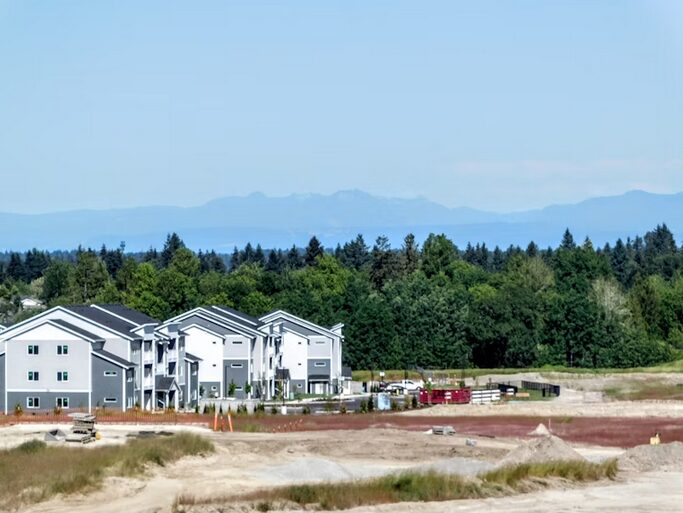
In the not-so-distant past, architecture was mainly about form and function—designing buildings to stand tall, look good, and serve a purpose. But today, with artificial intelligence entering the scene, the game is changing. AI is not just a tool for architects; it’s becoming a collaborative partner in designing structures that think, respond, and even predict. As a result, real estate development is undergoing a quiet revolution—one where data meets design and intelligence is built right into the walls.
AI-Powered Design That Leads the Way
Modern architects are embracing AI to do more than just automate tedious tasks. AI tools are now helping to generate building layouts, simulate natural lighting, and even assess environmental impact before a single brick is laid. A great example of how this technology is being explored can be found at diebrandenburger.de/ratgeber/wie-kuenstliche-intelligenz-die-architektur-revolutioniert-chancen-herausforderu-3003635, which dives into how AI is revolutionizing architecture—from reducing planning errors to unlocking new creative possibilities. The future of design will be increasingly data-informed and efficiency-driven.
Smarter Buildings, Better Living
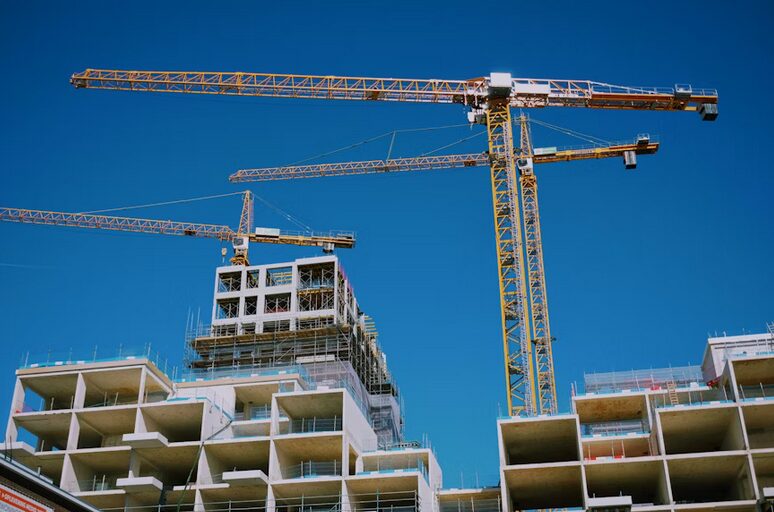
It’s no longer enough for a building to be visually appealing—it now needs to be intelligent. Smart structures use integrated sensors, IoT devices, and learning algorithms to monitor everything from energy usage to air quality. These buildings adapt in real time, making living and working inside them more comfortable and cost-effective. For property owners and tenants alike, smart architecture means fewer headaches and more seamless experiences.
Predictive Maintenance to Save Millions
AI doesn’t just help during the design and construction phases; it continues to deliver value long after the ribbon is cut. Predictive maintenance uses AI to analyze data from sensors embedded in building systems—HVAC, elevators, lighting—to anticipate issues before they become expensive problems. This kind of foresight minimizes downtime, extends equipment life, and significantly lowers operational costs, especially for large commercial properties.
Sustainable Design Made Easier
Sustainability has gone from buzzword to baseline, and AI is making it easier to achieve. From optimizing building orientation to maximize natural light, to selecting low-impact materials based on data, AI-driven design helps architects and developers create spaces that meet today’s green standards. In the long run, these smart choices not only benefit the environment but also appeal to increasingly eco-conscious buyers and renters.
Real-Time Adaptation in Living Spaces

Imagine a home that adjusts lighting based on your mood, fine-tunes the temperature for each room, and even suggests design changes as your needs evolve. Smart structures powered by AI can do all of that and more. Adaptive architecture is about creating spaces that evolve with the people who use them—think movable walls, responsive heating systems, and multi-use zones that shift function throughout the day.
Reshaped Investment and Planning in Real Estate
AI isn’t just for architects and engineers—it’s transforming how investors and developers make decisions too. By analyzing real-time market data, population trends, and zoning regulations, AI tools can identify the best locations for development and predict how property values will change over time. This kind of strategic forecasting helps real estate professionals make smarter, faster decisions with greater confidence.
AI is no longer a concept of the future—it’s an active force shaping the buildings we live and work in today. From design to development, and from operation to resale, artificial intelligence is redefining what’s possible in real estate. As smart structures continue to rise around us, they promise not just greater convenience and efficiency, but a whole new way of thinking about space itself. In the era of AI-driven architecture, intelligence isn’t just built in—it’s built to evolve.